

Cybersecurity Compliance Services: Protecting Your Business in 2026

In 2026, cybersecurity is no longer a technical back-office concern. It is a board-level priority. Customers, investors, and regulators now expect documented proof that organizations follow rigorous audit compliance standards. That is why demand for professional cybersecurity compliance services continues to accelerate across SaaS, fintech, AI, and cloud-native industries.
Businesses are no longer asking whether they need compliance. They are asking which framework aligns best with their growth strategy.
SOC Compliance: The Foundation of Trust
For U.S.-based service organizations, soc compliance remains one of the most recognized trust signals. A properly executed soc audit demonstrates that internal controls are designed and operating effectively.
There are multiple SOC reporting pathways:
- soc 1 compliance – focused on financial reporting controls
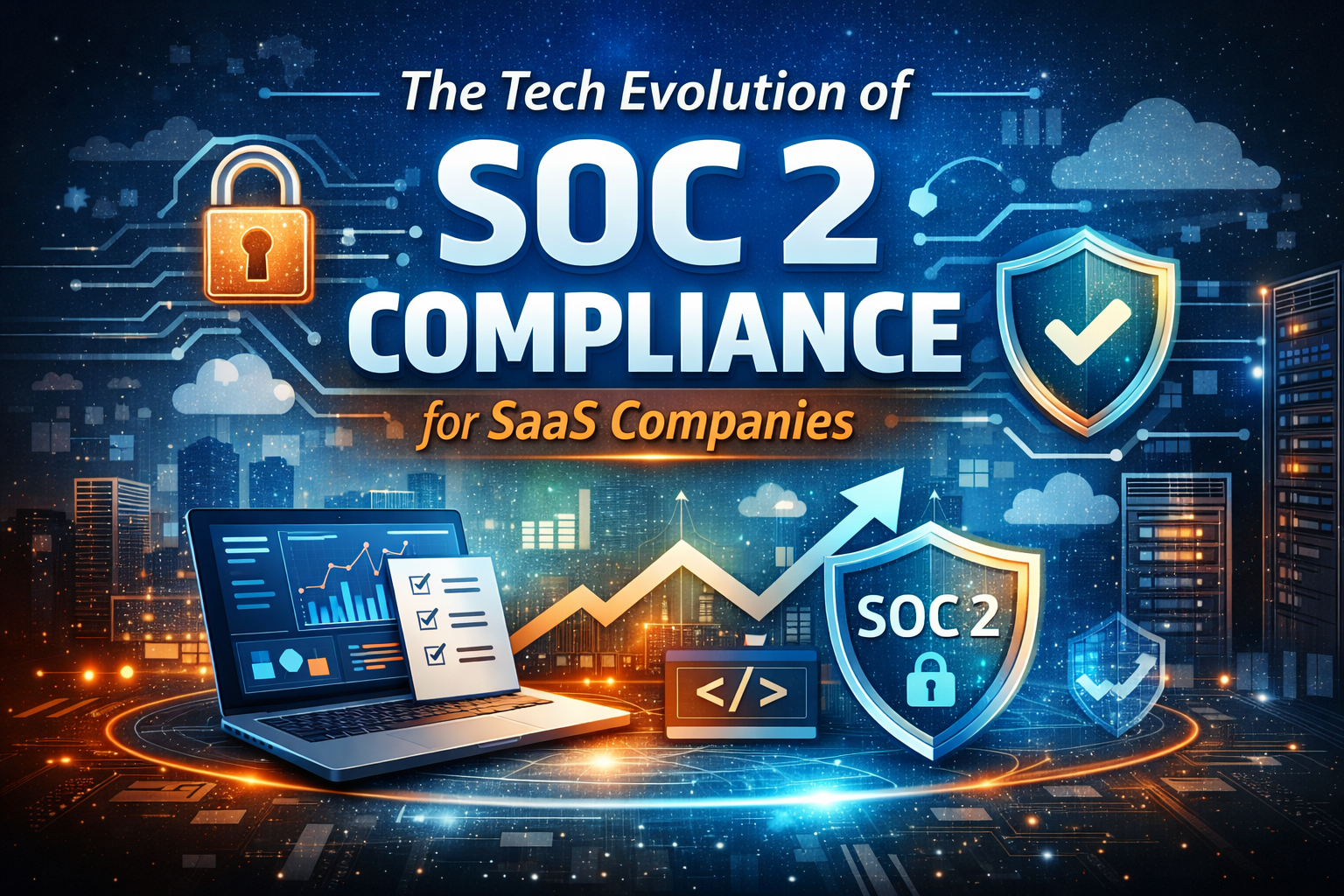
- soc 2 – centered on security and operational controls
- soc 3 – a public-facing summary report
Companies often begin by understanding soc 1 vs soc 2 requirements. If your services impact client financial statements, you may need a soc 1 audit. Many executives first ask, what is a soc 1 report, and how it differs from SOC 2.
For technology providers handling sensitive data, SOC 2 is typically the gold standard. Understanding the soc 2 type 1 vs type 2 distinction is critical. Type I evaluates design effectiveness at a specific date, while Type II tests operational effectiveness over time.
To better understand SOC 2 expectations, review the detailed explanation of soc 2 criteria here:
https://decrypt.cpa/what-is-the-soc-2-criteria/
Organizations preparing for readiness assessments should also work through a soc 2 compliance checklist to align policies with soc2 compliance requirements before fieldwork begins.
ISO 27001 vs SOC 2: Global vs U.S. Standards
As international markets expand, many businesses evaluate iso 27001 vs soc 2 frameworks. While SOC reporting is rooted in U.S. standards, ISO 27001 offers globally recognized information security certification.
An iso certified company demonstrates systematic risk management and documented controls. However, achieving this requires a formal iso 27001 audit, often supported by experienced iso 27001 consulting teams or reputable iso 27001 certification companies.
If your organization is expanding globally, consider how ISO 27001 aligns with SOC requirements. A breakdown of ISO and SOC differences can be reviewed here:
https://decrypt.cpa/iso-27001-vs-soc-2-differences-explained-for-business-leaders-2/
Beyond SOC and ISO: Expanding Regulatory Coverage
Modern compliance strategies extend beyond SOC and ISO. Organizations may require:
- gdpr compliance services for European data protection
- Integrated security audits and compliance services for AI-driven systems
- Cross-framework coordination through an experienced compliance auditor
With increasing regulatory complexity, companies must also consider the evolution of SOC standards, especially as reporting expectations mature.
Choosing the Right Compliance Strategy in 2026
In today’s environment, compliance is not a one-time certification. It is an ongoing governance function supported by structured soc reporting, annual reviews, and continuous control monitoring.
Whether your organization is evaluating soc 1 type 2 vs soc 2, preparing for ISO certification, or aligning with global data privacy mandates, partnering with experienced professionals ensures the process strengthens operational resilience rather than slowing growth.
In 2026, cybersecurity compliance is not just about passing audits. It is about proving your organization deserves trust.